

Hey, it’s Lefteris 👋 I’m the voice behind the weekly newsletter “The Cloud Engineers.”
I’ve attended a couple of tech events over the past two weeks, and they reminded me just how much value is sitting right there, if you know how to look for it. Most people show up, sit through sessions, and leave. But the real ROI of a tech event goes well beyond the agenda.
Here’s what I’ve learned about making the most of them.
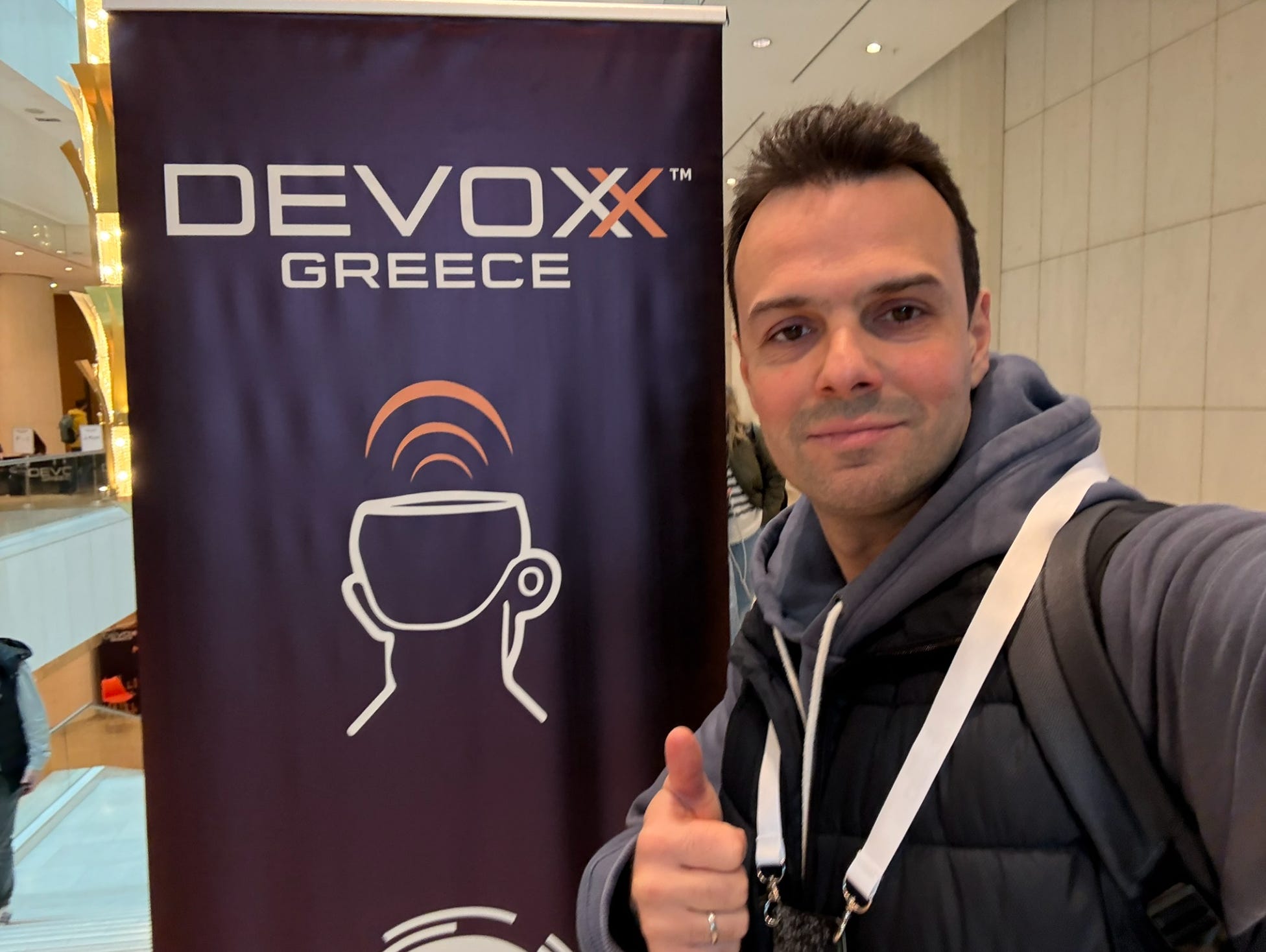
1. Do Your Research Beforehand
Walking into an event blind is a missed opportunity. Before you even step through the door, check the agenda. Which sessions are actually worth your time? Which workshops align with what you’re working on right now? Who’s speaking, and more importantly, who’s attending?
Identify two or three people you’d genuinely like to connect with. Not just big names, but people whose work you follow, whose problems overlap with yours, or whose perspective you’d find valuable. Having that list in your head changes how you move through the event. You stop wandering and start being intentional.
2. Don’t Just Attend — Connect
This is where most people leave value on the table. They attend the sessions, they clap at the end, and they head to the next room. But the conversations that happen in the hallways, at the coffee station, or right after a talk? Those are often worth more than the talk itself.
Talk to speakers. Ask them a follow-up question. Share your perspective on something they said. Disagree, even — respectfully. The best conversations I’ve had at events started with “I see it slightly differently, here’s why.”
Networking isn’t about collecting business cards or LinkedIn connections. It’s about meaningful exchange. One real conversation with the right person can open a door that no session ever could.
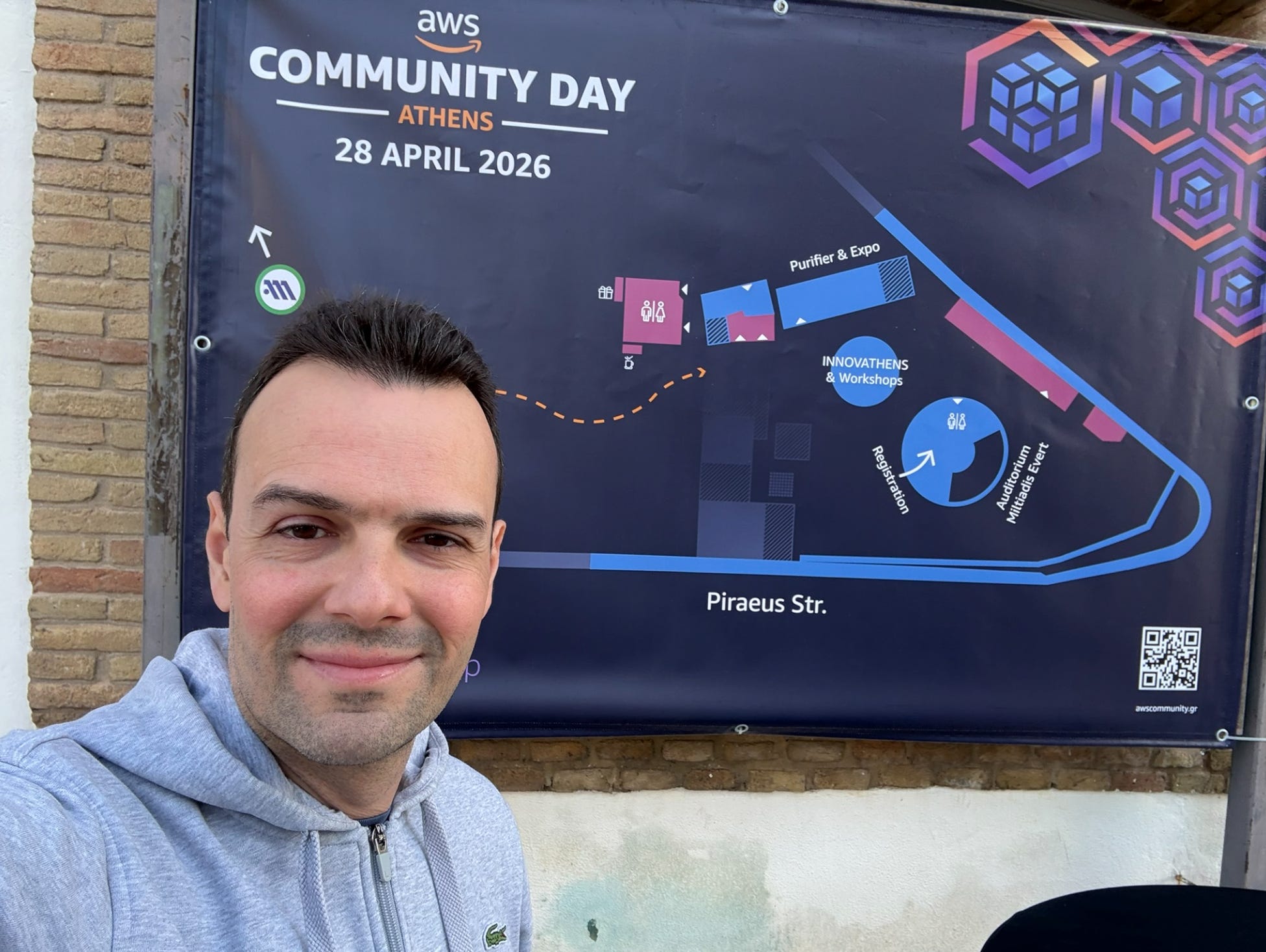
3. Participate Actively
Side events, workshops, roundtables, and hackathons are where the real engagement happens. The more you put in, the more you get out. It sounds obvious, but most people default to passive attendance.
When you participate actively, you become memorable. People remember the person who asked the sharp question, who contributed to the workshop discussion, who showed up to the evening side event when everyone else went back to the hotel. That presence compounds over time.
4. Capture and Apply Insights
Take notes. Not on everything, but on what genuinely stands out. A new mental model. A tool you hadn’t heard of. A framing of a problem that clicked. A name someone mentioned three times.
The real value isn’t in the notes themselves. It’s in what you do with them afterward. Block time in the week after the event to review what you captured and identify one or two things you can actually apply. That’s the difference between an event that felt good and one that moved the needle.
The Right Measure of Success
Here’s a reframe that changed how I approach events: you don’t need to walk away with ten new contacts, a notebook full of insights, and a job offer to call it a success.
If you leave with one valuable new connection, one useful takeaway, or simply a great experience that reminded you why you’re in this field — that’s a win. Set that bar, and you’ll almost always clear it.
The mistake is treating events as passive consumption. The sessions are the structure, but the value is in how you engage with everything around them. Come prepared, stay curious, and be willing to start a conversation.
That’s where the real return is.